
Fonio, Bambara nut, shea, millet: across West Africa, chefs and producers are rethinking what ends up on our plates. In October, SOS SAHEL and A BETTER LIFE took part in a series of Action Hubs with the Chefs’ Manifesto, a global network of chefs committed to better food systems, to bring farmers’ voices into the conversation.
What happens when the foods that have grown around us for generations come back to the table? That was the question at the heart of the West Africa Action Hubs, a series of gatherings organised by the SDG2 Advocacy Hub, which campaigns to end hunger and its Chefs’ Manifesto network in Accra, Lagos and Dakar.
Chefs, producers, entrepreneurs and researchers came together to explore how local and indigenous crops can regain their place in kitchens and markets. Alongside them, SOS SAHEL and A BETTER LIFE brought a perspective that is too often missing from culinary debates: that of the women and men who grow and process these crops.
Accra: a voice for those who were not in the room
The series opened in Ghana, with an event on the sidelines of the Micronutrient Forum, an international conference on nutrition on 29 September, followed by an Action Hub co-hosted with the Ghana Food Movement, which promotes Ghanaian ingredients and food traditions, on 2 October.
Guillaume Doulkom, Executive Secretary of A BETTER LIFE Africa, set the tone from the very first minutes:
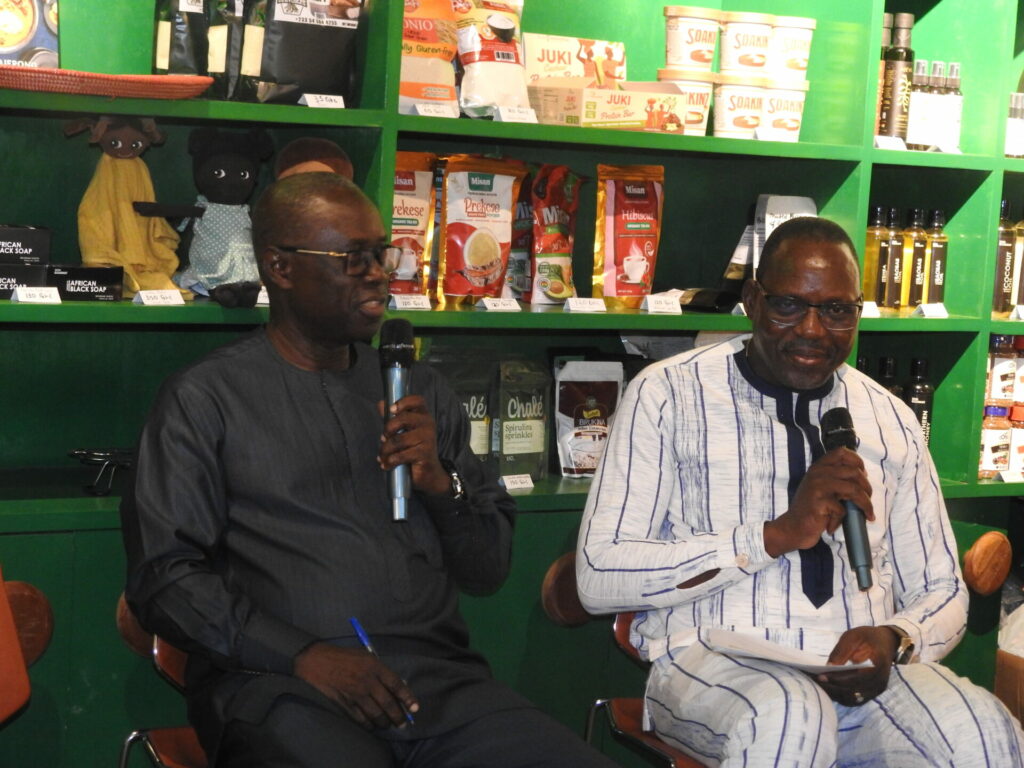
Guillaume Doulkom, Executive Secretary, A BETTER LIFE Africa
He spoke on behalf of those who could not be there: the producers of forgotten crops. In many rural areas, these crops grow in abundance, but without visibility or buyers, they rarely reach city plates. For Guillaume, chefs hold part of the answer. Every time a chef buys from a producer, they support an income, a household and the future of a crop.
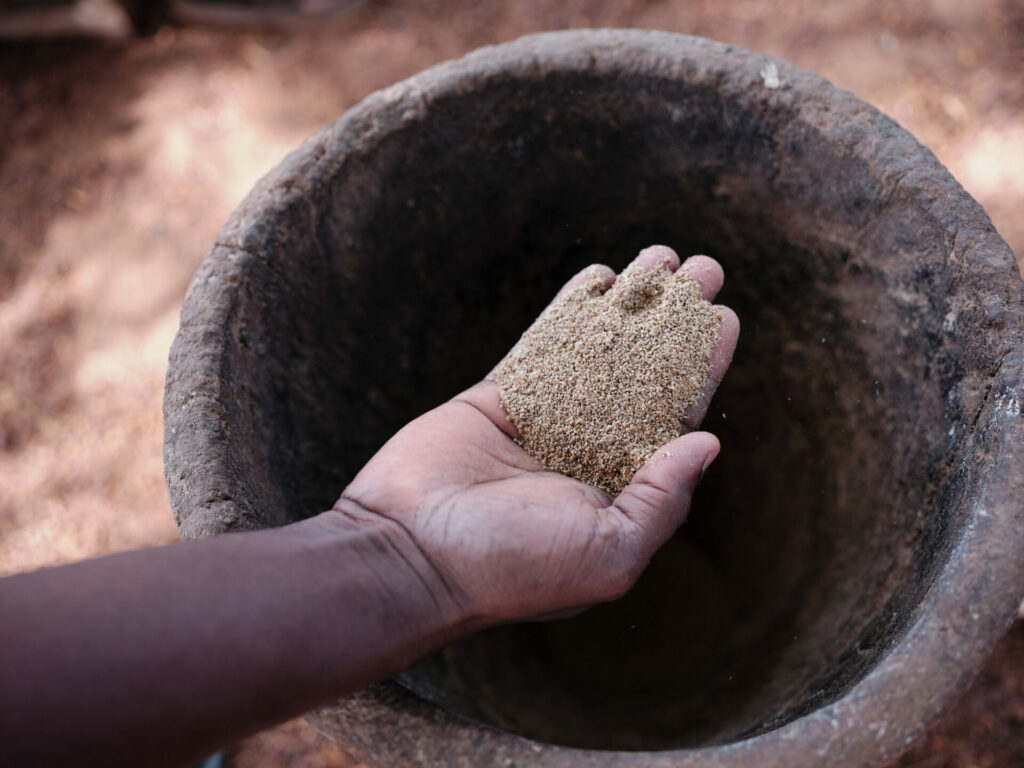
The story of fonio in eastern Senegal shows what is possible. Only a handful of farmers were still growing it. With support for cultivation, processing and market access, around 1,600 producers now grow it. New equipment, quality control and packaging have transformed the work of the women who process the grain, and a chef competition in Dakar has introduced it to new audiences. The lesson is simple: a good ingredient needs more than a good story. It needs an entire ecosystem around it.
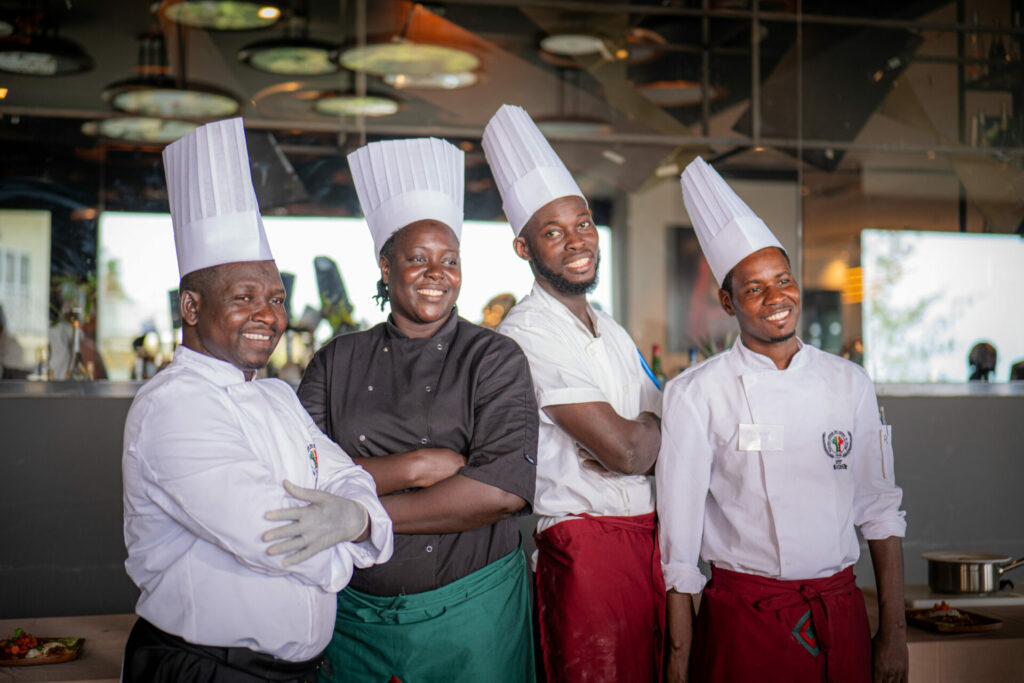
Selassie Atadika, founder of the Midunu Institute
Lagos: where heritage meets innovation
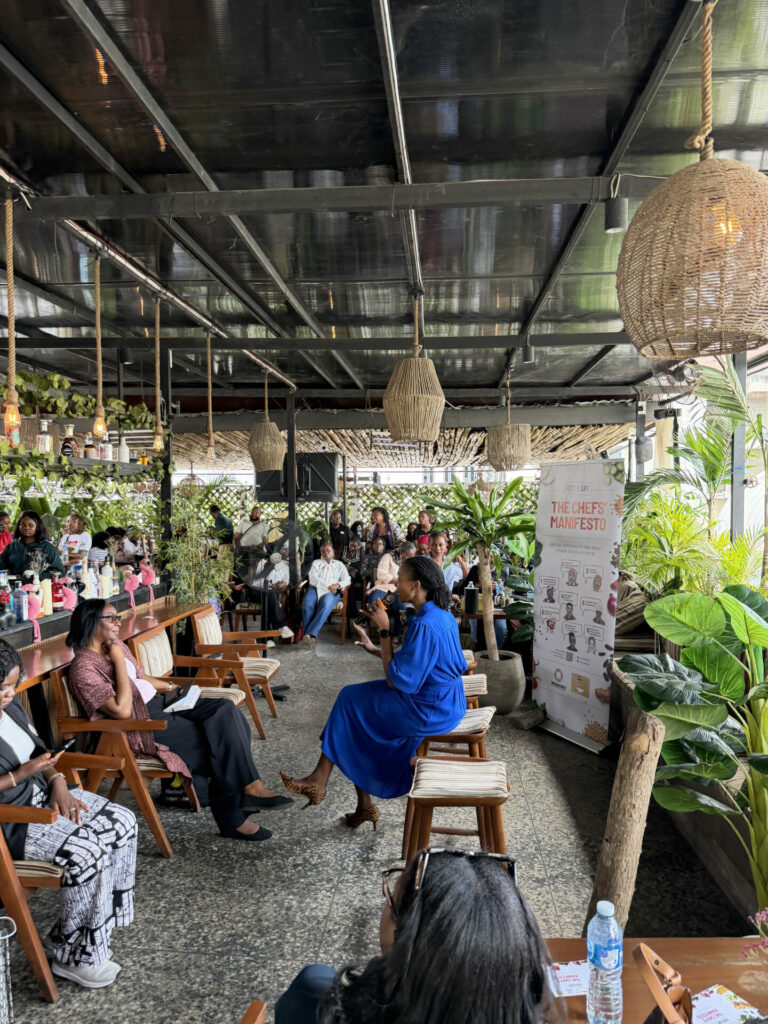
A few days later, that call for collaboration found a strong echo in Lagos. On 5 and 6 October, Leena Koni Hoffmann represented SOS SAHEL for two days that captured the energy of Nigeria’s largest city.
The first day began around a shared table, with every guest bringing a dish. Chef Moyo Odunfa’s plantain flatbread with Bambara nut sauce, from the Àtijẹ kitchen, the restaurant hosting the day, quickly became the talk of the room. Over the meal, the conversation turned to a striking paradox: in Nigeria, a large share of food is lost before it reaches consumers, while millions of people still face malnutrition. Poor roads, power cuts and a lack of cold storage all play a part.
Rather than wait for these problems to be solved, the chefs focused on what they can change themselves: knowing the producers they buy from, bringing food preservation back into their kitchens and drawing on traditional know-how. They named the ingredients they want to see shine, from Bambara nut and fonio to cocoyam and finger millet, and floated the idea of choosing one to champion together.
Leena Koni Hoffmann, SOS SAHEL USA
Connecting the dots
Two cities, two very different contexts, and one shared conviction: West Africa already has the ingredients for stronger, fairer food systems. The challenge is to connect them, linking farmers with chefs, local knowledge with viable markets, and food heritage with the choices people make every day.
This is the role SOS SAHEL and A BETTER LIFE intend to keep playing: making sure producers have a seat at the table, and building the partnerships that help their crops thrive. The series came to a close in Dakar on 9 October. That story is coming soon.
Join the African Crops Alliance
These conversations are at the heart of the African Crops Alliance, which brings together farmers, processors, chefs, researchers and organisations working to bring Africa’s indigenous and underutilised crops back into fields, markets and diets.
Whether you grow, process, cook, study or support these crops, there is a place for you in the Alliance. To join, simply write to secretariat@africancropsalliance.org with a few lines about yourself and what draws you to the Alliance.
With thanks to the SDG2 Advocacy Hub, the Chefs’ Manifesto, the Ghana Food Movement, and all the chefs, producers and participants who shared their knowledge and ideas.